Monkey Worker Embroidery
The Monkey Worker embroidery design is a charming and versatile addition to any craft fair product lineup. As an experienced embroidery designer, I’ve evaluated this piece for its visual appeal, practicality, and potential to attract customers in a busy handmade market setting. Whether you're an Etsy seller, a boutique maker, or a Cricut crafter, this design offers a mix of cuteness and functionality that can elevate your handmade products.
First Impressions of Monkey Worker
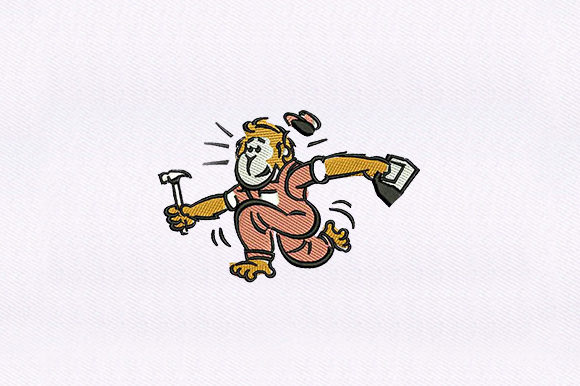
From the moment you see the Monkey Worker design, it exudes a playful and whimsical vibe. The character is cute, with expressive features that feel approachable and friendly. It’s not overly bold, but it has enough detail to stand out without being overwhelming. This makes it ideal for a variety of products, from baby animals-themed items to more general handmade goods.
The design feels like it could fit into both modern and farmhouse-style decor. Its simplicity allows it to work well on a range of fabrics, from soft cotton to sturdy denim. As a machine embroidery design, it balances detail with clarity, making it easy to recognize at a glance—important for a craft fair booth where customers might only have a few seconds to notice your work.
Monkey Worker on Key Craft Fair Products
When considering where Monkey Worker would shine at a craft fair, several products stand out:
- Tote Bag Design: A Monkey Worker embroidery on a tote bag is eye-catching and practical. It adds personality to a common item, making it appealing for shoppers looking for unique, functional gifts.
- Apron Embroidery: This design works well as a focal point on aprons. It’s large enough to be visible but not so big that it overwhelms the garment.
- Tea Towel Embroidery: On a tea towel, Monkey Worker adds a touch of charm. It's perfect for kitchen accessories and makes a great gift item.
- Embroidered Patch: As a patch, the design holds up well. It can be sewn onto jackets, backpacks, or bags, offering versatility for different uses.
- Fabric Pouches and Pillow Covers: These items provide a larger canvas for the design, allowing it to be more prominent and detailed.
For a booth display, Monkey Worker is a strong contender. It’s easy to spot and has a high visual appeal that can draw customers in. When paired with other baby animals or nature-themed designs, it can help create a cohesive and attractive display.
Practical Selling and Production Considerations
As an embroidery business owner, one of the first things I check is how a design performs in production. Monkey Worker is straightforward to understand, which is important for batch production. It doesn’t have excessively dense stitch areas that could cause issues with fabric texture or thread breakage.
The design can be used as a small accent or a large focal point, depending on the project. For example, it can be a subtle detail on a cap or a bold statement on a pillow cover. This flexibility increases its value for a small shop product line.
Photographing Monkey Worker for online listings is also a plus. The design has clear lines and distinct elements that translate well into digital formats. A printable mockup can showcase how it looks on different fabrics, helping Etsy sellers present their work effectively.
However, there are some considerations. If the design includes tiny details or small lettering, it may lose clarity when scaled down. This is something to keep in mind when using it for smaller items like patches or caps. Additionally, if the design is stitched on dark fabric, the thread colors need to contrast well to ensure visibility.
Careful-Use Notes for Monkey Worker
While Monkey Worker is a high-quality embroidery file, there are a few points to note:
- Dense Stitch Areas: Check for any sections that might be too dense, especially if using thick fabric or textured towels. These areas could affect the overall look and feel of the finished product.
- Curved Cap Surfaces: If applying the design to a curved surface like a cap, ensure the hoop size and stabilizer are appropriate to prevent shifting during stitching.
- Small Lettering: If the design includes text, make sure it’s legible at the intended size. Small lettering can become difficult to read if not properly scaled.
- Stitch Density: Review the stitch density to avoid puckering or distortion on delicate fabrics.
Testing the design on scrap fabric before mass production is always a good idea. This helps identify any potential issues early on and ensures that the final product meets quality standards.
Monkey Worker and Brand Consistency
For handmade shop owners and creative entrepreneurs, brand consistency is key. Monkey Worker can be a valuable addition to a collection of baby animals or nature-inspired embroidery. It maintains a consistent style while offering a unique twist that sets it apart from other designs.
Using Monkey Worker across multiple products—like tote bags, aprons, and embroidered patches—helps reinforce brand identity. It also gives customers a sense of familiarity, encouraging repeat purchases and word-of-mouth referrals.
Final Thoughts for Embroidery Business Owners
If you’re preparing for a weekend craft fair or building an Etsy shop, Monkey Worker is a solid choice. It’s visually appealing, versatile, and suitable for a wide range of products. However, like any machine embroidery design, it requires careful consideration of fabric type, hoop size, and stabilizer use.
Before selling finished products, confirm the commercial licensing terms of the embroidery file. This ensures that you’re compliant and can confidently offer Monkey Worker as a craft fair product or handmade item.
In summary, Monkey Worker is a design that blends charm with practicality. With the right approach, it can become a staple in your embroidery business and a crowd-pleaser at your next market event.