Music Notation Embroidery Review
As an embroidery designer with years of experience, I've come across countless machine embroidery designs. One that stood out to me was Music Notation, a Creative Fabrica embroidery product that promises to bring musical flair to any project. In this review, I’ll share my honest evaluation of how well it performs in real-world use and whether it’s worth adding to your design library.
First Impressions: A Design That Speaks Music
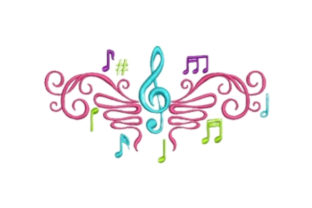
Music Notation immediately caught my eye with its elegant and artistic representation of musical symbols. The design features a clean layout with clear lettering and intricate details that suggest a professional hand-drawn or digitally crafted style. It’s perfect for those who want to infuse their work with a love for music, whether it's for personal projects or commercial use.
The visual mood is subtle yet expressive. It’s not overly flashy, but it carries a sense of sophistication that makes it suitable for both casual and high-end items. The design’s simplicity allows it to be versatile, fitting well on a variety of fabrics and garments without overwhelming the overall look.
Stitching Personality and Detail Level
When I first viewed the embroidery file, I noticed that Music Notation uses a mix of satin stitch, fill stitch, and running stitch to create depth and texture. The stitch density is well-balanced, ensuring that the design looks polished without being too heavy on the fabric. This is especially important when working with delicate materials like stretchy knits or lightweight cotton.
The detail level is impressive, particularly in the smaller elements like the notes and clefs. These tiny details are crucial for a design that relies on visual clarity, and I found them to be well-executed. However, I would recommend testing the design on scrap fabric before using it on your final project to ensure it meets your expectations.
Best Fit for Embroidery Projects
Music Notation is ideal for a wide range of projects, including tote bag design, sweatshirt embroidery, and apron embellishment. Its size and structure make it suitable for small hoop sizes, which is a big plus for those who don’t have access to large embroidery machines. It also works well as an embroidered patch or custom apparel accent.
For baby items like blankets or onesies, the design adds a touch of elegance without being too complex. On caps, the design can be placed on curved surfaces with careful placement, making it a great option for seasonal handmade gifts or promotional items.
Real-World Performance: What to Expect
One of the key factors I consider when evaluating a machine embroidery design is how it performs on different fabrics. Music Notation handles textured and stretchy materials reasonably well, provided you use the right stabilizer. For dark fabrics, I recommend checking the thread colors to ensure good contrast and visibility.
When working with dense stitch areas, such as the background fills, it’s important to monitor the tension and adjust as needed. This helps prevent puckering or distortion, especially on thinner or more delicate fabrics.
Practical Use Cases
- Custom Apparel: Perfect for t-shirts, jackets, and hoodies where a subtle musical theme enhances the design.
- Tote Bags: Adds a unique touch to everyday carryalls, making them stand out at craft fairs or online stores.
- Kitchen Towels and Pillow Covers: Ideal for home decor items that require a decorative yet functional element.
- Nursery Decor: Offers a gentle, artistic addition to baby rooms without being too bold.
- Handmade Gifts: Makes a thoughtful personalized gift for musicians or music lovers.
Impact on Product Value and Branding
Incorporating Music Notation into your handmade product line can elevate the perceived value of your items. Its clean, professional look contributes to a cohesive brand identity, especially if you're targeting customers who appreciate artistic and meaningful designs.
For commercial embroidery or Etsy listings, the design adds a layer of uniqueness that can set your products apart from generic options. It also supports product photography by offering a visually appealing focal point that draws attention.
Key Embroidery Notes for Success
To get the best results with Music Notation, here are some practical tips:
- Test on scrap fabric: Always do a trial run before stitching on your final item.
- Check thread color contrast: Ensure the threads used match the fabric for optimal visibility.
- Review stitch density: Adjust as needed to avoid over-stitching or under-stitching.
- Confirm hoop size: Make sure the design fits within your machine’s capabilities.
- Compare light and dark fabric mockups: This helps you choose the best version for your project.
- Use proper stabilizer: Especially important for stretchy or delicate fabrics.
- Inspect small details after stitching: Ensure all elements are clear and well-formed.
- Confirm file details and licensing: Check the Creative Fabrica product page before selling finished items.
Final Thoughts: Is Music Notation Worth It?
Music Notation is a solid choice for embroidery designers looking to add a musical touch to their work. Its balance of detail, versatility, and ease of use makes it suitable for a wide range of projects. Whether you're creating personalized gifts, apparel decorators, or digital product sellers, this design has the potential to enhance your offerings.
As with any digital embroidery file, it’s essential to review the specifics on the Creative Fabrica page to ensure it aligns with your needs. But overall, Music Notation is a valuable addition to any embroidery designer’s toolkit.