Skull and Crossbones Embroidery Design
As an embroidery designer and product reviewer, I’ve evaluated countless machine embroidery designs over the years. The Skull and Crossbones design stands out for its bold visual impact and versatility across a range of projects. Whether you're creating custom apparel, personalized gifts, or small business merchandise, this design has potential—but it also requires careful consideration to ensure it meets your expectations and the needs of your clients.
First Impressions: A Bold Statement with Halloween Spirit
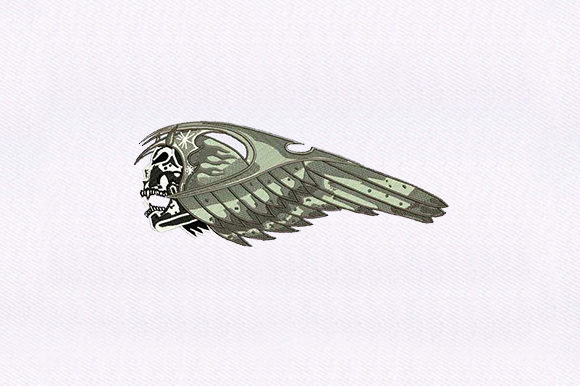
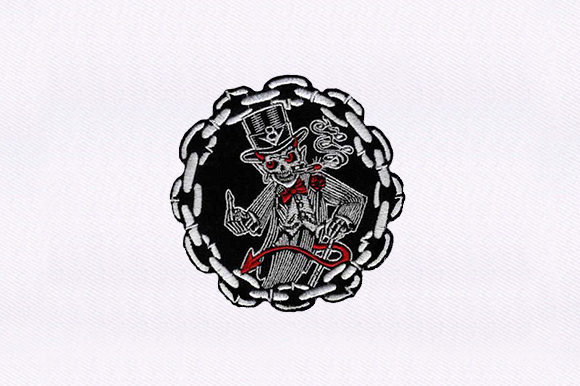
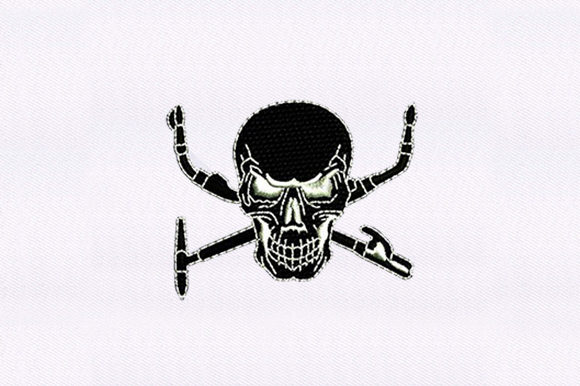
The Skull and Crossbones design immediately conveys a sense of edginess and mystery. Its clean lines and strong silhouette make it instantly recognizable, fitting perfectly within the Halloween theme. The layout is well-balanced, with enough detail to add character without becoming overwhelming. It’s ideal for projects that aim to make a statement—whether it's a spooky holiday decoration, a themed gift, or a statement piece in a craft fair booth.
This design works best on larger surfaces where its details can shine. It’s not the kind of design you’d want to use on a tiny patch or a delicate baby onesie. Instead, it thrives on items like tote bags, sweatshirts, or aprons where it can be seen and appreciated.
Real-World Use: Where Does Skull and Crossbones Excel?
In real-life embroidery situations, the Skull and Crossbones design performs well when used on flat, stable fabrics. It looks great on cotton, denim, or canvas, where the stitch density can be maintained without distortion. For custom apparel like t-shirts or sweatshirts, it adds a unique touch that can elevate a simple garment into something memorable.
For small business owners and Etsy sellers, this design could be a hit in the right market. It’s perfect for holiday-themed products, such as embroidered pillow covers, kitchen towels, or even personalized gifts. As a digital product seller, you could offer it as a downloadable embroidery file that customers can use for their own projects.
When used as an embroidered patch, the design holds up well, especially if the hoop size is large enough to accommodate its full scale. It also works as a standalone design for applique projects, where the contrast between the fabric and the stitching can really stand out.
Where to Be Cautious: Limitations and Considerations
While the Skull and Crossbones design is visually striking, it’s not without its challenges. On small hoop sizes, the design may require splitting into sections, which can complicate the stitching process. If you're working with textured fabrics or thin materials, you’ll need to adjust your stabilizer and thread tension accordingly to prevent puckering or distortion.
On stretchy or dark fabrics, the design might not show up as clearly. Dark backgrounds can make the stitches less visible, while stretchy materials may cause the design to shift during sewing. If you're planning to use this on a layered garment or curved surface like a cap, be prepared for extra work to ensure the design stays in place and looks sharp.
Small details, such as the crossbones or intricate parts of the skull, can be tricky to execute without proper stitch density. If the design is too dense, it may cause the fabric to pucker or the threads to break. Testing on scrap fabric before committing to a final project is always a good idea.
Impact on Visual Appeal and Customer Perception
The Skull and Crossbones design has the potential to significantly enhance the visual appeal of any finished product. When stitched correctly, it adds a level of professionalism and craftsmanship that can set your handmade products apart from mass-produced alternatives. Customers often respond positively to bold, recognizable designs, especially during the Halloween season or for themed gifts.
From a commercial standpoint, this design can increase the perceived value of your products. It’s a versatile asset that can be used across multiple platforms, from printable mockups to digital embroidery files. However, it’s important to ensure that the design aligns with your brand’s aesthetic and the expectations of your target audience.
For creative entrepreneurs, the Skull and Crossbones design offers flexibility. It can be used as a standalone item or incorporated into larger projects. Whether you’re making personalized gifts or boutique merchandise, this design can help you create a cohesive and eye-catching product line.
Practical Designer Notes: Tips for Success
Before using the Skull and Crossbones design in a real project, test it on a scrap piece of fabric. This will help you assess how the stitches look on different materials and identify any potential issues early on. Check the thread color contrast to ensure the design stands out against your chosen fabric.
Review the stitch density and confirm that the hoop size is appropriate for the design’s scale. If the design includes small details or intricate elements, inspect them closely to make sure they’ll hold up under normal wear and tear. Test the design on both light and dark fabric backgrounds to see how it appears in different settings.
Using the right stabilizer is crucial, especially when working with delicate or stretchy fabrics. Make sure the design is suitable for both personal and commercial use, and always check the licensing terms before selling finished items or digital products.
Final Thoughts: A Versatile Design with Room for Growth
The Skull and Crossbones design is a strong addition to any embroidery collection. It brings a sense of character and style that can enhance a wide range of projects. With the right approach, it can become a valuable asset for small business owners, crafters, and designers looking to create unique, high-quality handmade products.
Whether you're preparing a custom embroidered tote bag, a holiday gift, or a new line of boutique merchandise, this design has the potential to make an impact. Just remember to consider the practical aspects of embroidery, from fabric choice to stitch density, to ensure the final product meets your standards and your client’s expectations.